Quinn Krause · 2 September 2026
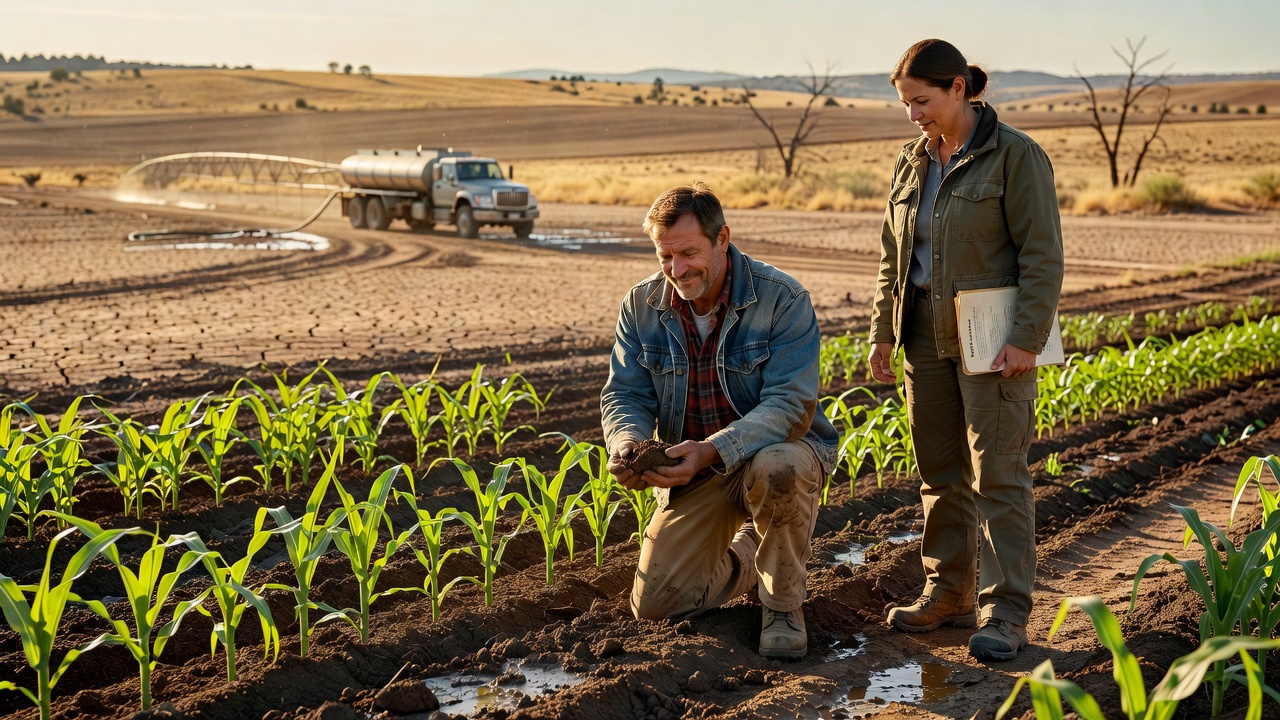
Brook Mesa farmers are set to receive assistance through newly implemented drought relief programs designed to address the ongoing water scarcity issues affecting the area. These initiatives come in response to several consecutive years of below-average rainfall that have strained local water resources and impacted crop production significantly.
Eligibility and Application Process
The relief programs offer various forms of support including direct financial aid, technical assistance, and resources for adopting water-saving technologies. Eligible participants must demonstrate that their farms are located within the Brook Mesa region and have suffered measurable losses from the drought conditions. The application process involves submitting documentation of past yields and current water usage plans. A dedicated hotline has been established to answer questions from potential applicants. Funding is allocated based on farm size and the severity of impact, with larger grants available for those implementing comprehensive conservation strategies. State agriculture department representatives will conduct site visits to verify claims and provide recommendations tailored to each operation. Additional components of the program focus on community-wide efforts such as shared reservoir maintenance and collaborative purchasing of equipment. This approach encourages cooperation among neighboring farms to maximize the benefits of the available funds. Training sessions cover topics like crop rotation suited to arid climates and the use of mulching to retain soil moisture. Participants are encouraged to share experiences and successful techniques at monthly meetings organized by the local farming cooperative.
Expected Benefits for Agriculture
By supporting these drought relief efforts, officials hope to stabilize the local economy which relies heavily on agriculture. Farmers anticipate being able to maintain their livelihoods and continue supplying fresh produce to regional markets. The programs also aim to reduce the need for emergency water allocations during peak summer months. Long-term projections suggest that widespread adoption of efficient practices could lead to a twenty percent decrease in overall water consumption while maintaining output levels. Monitoring committees will evaluate the progress of funded projects quarterly, adjusting strategies as needed based on collected data. Community feedback has been positive, with many highlighting the timeliness of the aid. Future expansions may include partnerships with research institutions to develop even more resilient farming methods. Overall, these measures represent a proactive step toward ensuring the sustainability of Brook Mesa's agricultural heritage amid changing environmental conditions. Additional workshops and one-on-one consultations further support participants in optimizing their operations for long-term viability.